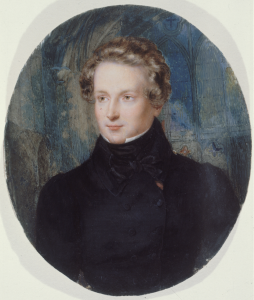
“Forty is the old age of Youth. Fifty is the youth of old age.” That’s from Victor Hugo, the 19th century poet and writer who wrote Les Miserables and The Hunchback of Notre Dame.
To reflect our lives today, 200 years later, let’s recast his thought to read: “Fifty is the old age of youth. Sixty is the youth of old age.” Here’s why.
At fifty we are still in career climbing mode, still raising kids, still accumulating things, wealth, networks.
Ten years later, we start to enter elderhood, and the laugh lines, wrinkles, and grey hairs are more noticeable. We are still vital, physically active, but the future takes a different shape than it did previously. Retirement is on our minds.
Is this distinction between the two ages important, or even interesting? Yes. The younger age is Adulthood 1.0. the second is Adulthood 2.0. They are very different.
Adulthood 1.0 asks poet Mary Oliver’s question: “Tell me, what is it you plan to do with your one wild and precious life?”
Adulthood 2.0 responds to Eleanor Roosevelt’s quote: “Beautiful young people are accidents of nature. But beautiful old people are works of art.” Or to Plato: “the spiritual eyesight improves as the physical eyesight declines.” or even to Carlos Castaneda: “To be young and vital is nothing. To be old and vital is sorcery.”
Adulthood 2.0 is the future of aging with grace and purpose. It sees retirement from a career, not as being put out to pasture, but rather the opportunity to engage heart, mind, and body in different pursuits.
This is the chance to expand your horizons by learning a new skill: taking piano lessons, a painting class, or learning to play tennis or golf. It’s spending more time with friends and family.
But Adulthood 2.0 is especially a time to use the skills you spent years honing during your career. Whether as a volunteer or a paid consultant, You can improve the quality of life in your community. The needs and opportunities are endless, dependent only on finding what speaks to you.
Aging means life’s trajectory evolves from competitive advancement to fulfilling activity, from tension to equanimity. Action and engagement with life, but on a new playing field. Do you agree?